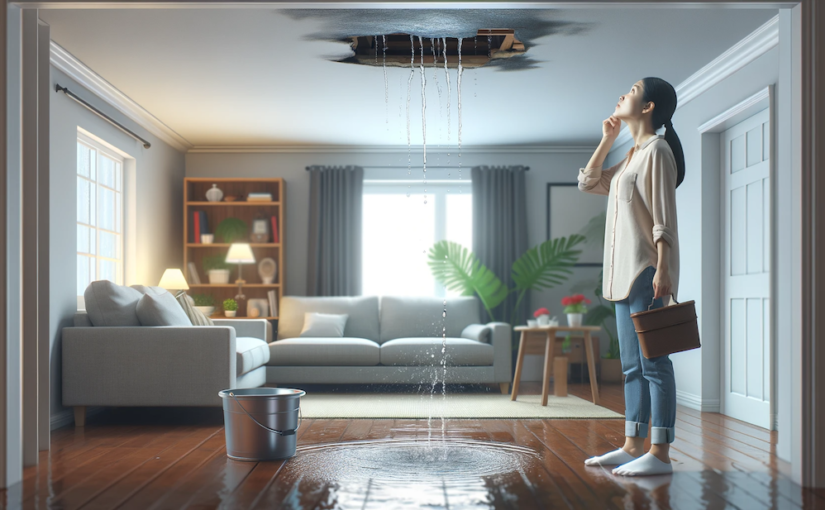
Tackling Mold and Water Damage from Roof Leaks

Today’s focus is on a critical aspect of home maintenance: preventing mold and water damage resulting from roof leaks. With expert tips and proactive steps, you can ensure your home remains a safe and joyful haven. Let’s dive in!

Unmasking the Mold Menace: The Impact of Roof Leaks Imagine a small, unnoticed leak in your roof. This might seem trivial, but it’s an open invitation for mold to start its silent invasion. When water seeps in, it creates a damp, mold-friendly environment within your walls and ceilings. The longer it persists, the more extensive and damaging the mold growth becomes. But don’t fret! The solution is simple – regular roof inspections. These proactive checks can nip potential problems in the bud, keeping mold at bay and your home dry and cozy.

Mold: More Than Just a Party Crasher Beyond being an unwelcome guest, mold poses real health risks, especially for individuals with allergies or asthma. Exposure to mold can cause a variety of symptoms, including respiratory issues, nasal stuffiness, and itchy eyes. In severe cases, it might even lead to skin rashes or more serious lung infections. Addressing roof leaks promptly is not just a matter of home maintenance; it’s also about safeguarding your health and well-being. Your timely action can keep these risks at a minimum.

Mold Busting 101: When You Spot the Intruder Found mold? The first step is to fix the leak. This is crucial in stopping further water ingress and mold growth. If you’re dealing with a small area, you might be able to tackle the mold yourself. There are several effective, safe mold-removal products available. However, for larger areas or if you suspect toxic mold, it’s wise to call in professional mold remediation services. Don’t forget about ventilation. Keeping the affected area well-ventilated is key in reducing moisture and preventing future mold growth.

Shielding Your Castle: Preventing Water Damage Regular roof maintenance is your frontline defense against water damage. This includes inspecting for damaged or missing shingles and ensuring your gutters are clean and functional. Pay attention to your attic too. Proper insulation and ventilation can prevent issues like ice dams, which can lead to water damage and eventually leaks. Being proactive in roof maintenance not only prevents water damage but also extends the lifespan of your roof.

Repairing the Battle Scars: Post-Leak Recovery Once the leak is fixed, the next step is to address any water damage. Using dehumidifiers and fans can help in drying out the area thoroughly. Check for any structural damage caused by the water and undertake necessary repairs. This might include fixing or replacing damaged wood, insulation, and drywall. A fresh coat of paint can rejuvenate the repaired area, helping your home look and feel as welcoming and comfortable as before the leak.

And there you have it – your comprehensive guide to preventing and tackling mold and water damage due to roof leaks. By staying vigilant and taking timely action, you can maintain a healthy, happy living environment. Remember, a little effort in roof maintenance goes a long way in preserving the joy and well-being of your home. Keep those shingles in good shape, and enjoy the peace of mind that comes with a well-maintained home!
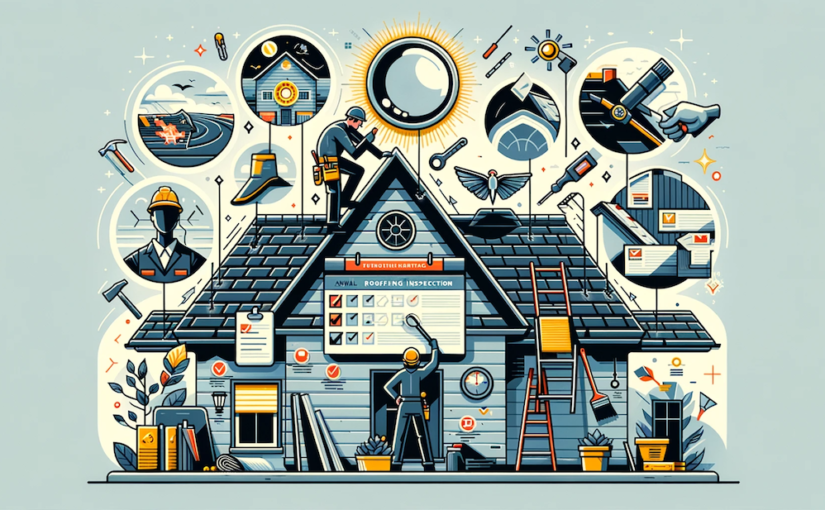
Expert Tips on Residential Roofing Inspections

Hello, savvy homeowners! Are you keen on keeping your roof in stellar condition for the long haul? You’re in the right place! In this upbeat guide, we’ll explore the ins and outs of residential roofing inspections, sprinkled with high-volume keywords and industry terms to boost your roofing knowledge. Ready to make your roof the envy of the neighborhood? Let’s jump in!

Why Regular Roof Inspections are Essential: Let’s start by underlining why roof inspections are crucial. Your roof, be it asphalt shingles, metal roofing, or slate, acts as a stalwart guardian against nature’s elements. Consistent roof check-ups help identify common roofing problems like leaks, missing shingles, or wear and tear early on. This preventive measure is a cost-effective strategy, saving you from hefty roof repair expenses down the line.

Optimal Frequency for Roof Inspections: Now, onto the golden question: How often should you inspect your roof? Roofing contractors agree that a comprehensive inspection should be done annually. But, if you’re in a region with harsh weather conditions—think hail, hurricanes, or heavy snowfall—biannual inspections are advisable. Regular checks ensure your roof’s integrity against environmental factors.

Expectations During a Professional Roof Inspection: When it’s inspection time, expect your roofing contractor to conduct a thorough examination. They’ll assess for common issues like damaged shingles, gutter problems, and ensure proper roof ventilation. They’ll also check for less obvious signs, such as attic insulation issues or hidden leaks, which are critical for your roofing system’s overall health.

DIY Roofing Inspections: Got a DIY streak? You can conduct basic inspections yourself, focusing on visible roof damage, leaks, or loose shingles, particularly after severe weather. However, for detailed inspections involving climbing onto the roof or complex assessments, always seek professional roofing services. Safety first!

Importance of Regular Roof Maintenance: Beyond inspections, routine roof maintenance is key. Simple tasks like cleaning gutters, removing debris, and trimming nearby tree branches can significantly extend your roof’s lifespan. Regular maintenance, coupled with professional inspections, forms a robust defense strategy for your roofing system.

Conclusion: There you have it – your comprehensive guide to residential roofing inspections! Remember, an annual or biannual check by a professional roofer, combined with your vigilant eye and consistent maintenance, will keep your roof in prime condition for years. Stay ahead of roofing issues and enjoy the peace of mind that comes with a well-maintained roof. Happy roofing!

Exploring Eco-Friendly and Energy-Efficient Roofing Material Options

Welcome to the eco-conscious era of roofing, where innovation soars and sustainability reigns! In our quest to nurture the planet, the roofing industry has boldly stepped into the spotlight, showcasing materials that not only protect our homes but also our environment. This isn’t just a trend; it’s a revolution in how we view and construct our shelters. Join us as we unveil the exciting world of eco-friendly and energy-efficient roofing materials. Get ready to explore green roofs that bring a slice of nature to urban landscapes, solar tiles that merge beauty with energy generation, and much more. It’s time to reimagine what sits atop our homes!

The Rise of Green Roofing

Imagine a roof teeming with life — green roofs transform this vision into reality. These living systems, a blend of vegetation and waterproofing layers, offer far more than aesthetic appeal. In bustling urban areas, they become oases, reducing the ‘heat island’ effect, purifying the air, and even providing habitats for wildlife. Essential components like a waterproof membrane, drainage layer, and soil medium, coupled with plants suited to the local climate, create this eco-friendly roofing solution. The benefits? Improved air quality, natural insulation, and a marked reduction in stormwater runoff. Green roofs aren’t just coverings; they’re vibrant ecosystems.

Solar Roof Tiles

Solar roof tiles are revolutionizing how we harness the sun’s power. These innovative tiles blend seamlessly into your roof, offering a sleek alternative to traditional solar panels. But it’s not just about looks; these tiles are a powerhouse of functionality. By turning your roof into an energy generator, they contribute to significant electricity cost savings over time. The integration of photovoltaic cells into roofing materials has been a game-changer, ensuring that eco-friendliness and modern aesthetics go hand in hand. Although the initial investment may be higher, the long-term benefits and the sleek, integrated look make solar roof tiles an attractive option for the energy-savvy homeowner.

Cool Roofing Technology

Cool roofs are like sunscreens for your home. By reflecting more sunlight and absorbing less heat, these roofs are designed to keep your house cooler. The secret lies in their materials — reflective paints, shingles, tiles, or membranes. This technology is especially beneficial in hot climates, where it can significantly reduce air conditioning needs, lowering energy bills and combating urban heat islands. Not only do they provide immediate comfort, but cool roofs also contribute to the longevity of roofing materials and the overall structure by reducing temperature fluctuations and thermal stress.

Recycled Roofing Materials

Recycled roofing materials are turning waste into wonders. Rubber, plastic, and metal, once destined for landfills, are now being repurposed into durable, eco-friendly roofing. These materials offer resilience against the elements while reducing the environmental impact of new material production. Whether it’s rubber shingles made from old tires or metal roofs from recycled cans, these options are proving that sustainability can be both functional and stylish. Plus, their longevity and low maintenance requirements make them a smart choice for the environmentally conscious homeowner.

Innovative Insulation Options

In the quest for energy efficiency, insulation plays a starring role. Emerging materials are setting new standards in thermal regulation. From aerogel to sheep’s wool, these innovative options provide superior insulation, helping maintain a comfortable indoor temperature regardless of the season. Adaptable to various climates, these materials are not just about keeping homes warm or cool; they’re about reducing overall energy consumption, thus decreasing the carbon footprint of our homes.

The Role of Technology in Roofing

The roofing industry is not just adopting new materials; it’s embracing new technologies. Smart roofing systems are at the forefront, offering real-time monitoring of energy usage and environmental conditions. This integration of technology enhances the functionality of roofing materials, making them more efficient and user-friendly.

The journey through the world of innovative roofing materials is an eye-opener to the possibilities that lie in combining technology, sustainability, and design. As we move towards a more eco-conscious world, these roofing options stand out not just for their environmental benefits but also for their ability to add value and efficiency to our homes.

As you consider roofing options, think beyond traditional choices. Embrace the innovative solutions that bring together the best of eco-friendliness, energy efficiency, and aesthetic appeal. Consult with roofing professionals who specialize in sustainable solutions to find the best fit for your home and the environment.